

Choosing the correct float material for your liquid level switch is one of the most consequential decisions in any instrumentation project. The wrong choice doesn’t just shorten sensor lifespan; it can compromise process safety, contaminate media, or cause premature mechanical failure. The float must be physically compatible with the liquid it contacts and have the correct density to stay buoyant under operating conditions.
At Whitman Controls, we manufacture liquid level switches across a broad range of float materials. Here’s a practical breakdown to help you match the right material to your application.
Buna-N Floats: The Standard Choice for Oils and Petroleum-Based Fluids
Buna-N, also called Nitrile rubber, is a synthetic elastomer widely used in float switches for petroleum-based applications. Its molecular structure gives it strong resistance to non-polar solvents, making it a dependable workhorse in hydraulic and fuel systems.
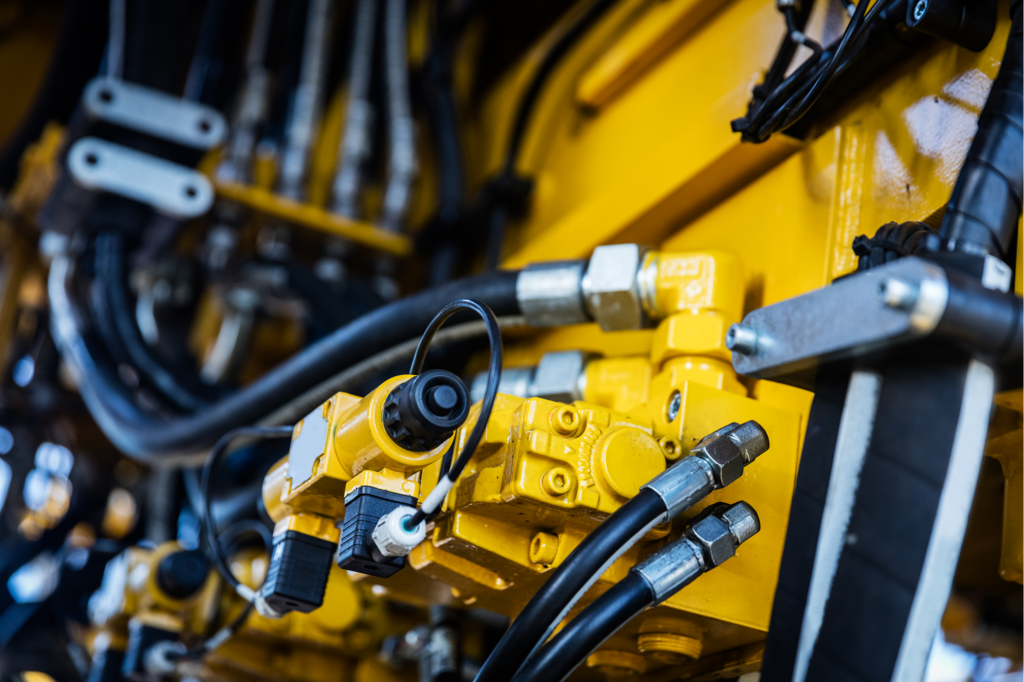
- Media compatibility: Buna-N performs reliably with hydraulic oil, diesel fuel, and general lubricating oils. It is not recommended for ketones, strong acids, or ozone-rich environments.
- Temperature limits: Rated for submersion in oil up to 230°F (110°C). Beyond this threshold, the elastomer begins to soften and lose dimensional stability.
- Specific gravity range: Designed for use in liquids with a minimum specific gravity of 0.70 to 0.75, which covers most petroleum-based media.
- Where you’ll find it: Buna-N floats are used in the Whitman L30 Series Multi-Level Switch and the L10 Series Vertical Mount switches, both common in industrial power units and hydraulic reservoirs.
Stainless Steel Floats: Built for High Pressure, High Temperature, and Hygienic Applications
When an application involves extreme conditions or strict cleanliness requirements, stainless steel is the material of choice. Unlike polymer-based floats, stainless steel is inert across a wide range of chemicals and does not absorb or leach into the surrounding media, a property that matters enormously in food production and medical device manufacturing.
- Pressure resistance: Stainless steel floats are engineered to withstand crush pressures up to 1,000 PSI, making them suitable for high-pressure process lines where pressure surges are common.
- Temperature range: Standard models handle process temperatures up to 300°F (149°C). Specialized configurations extend this rating to 510°F for steam or high-temperature process applications.
- Hygienic and purity-critical environments: Stainless steel is the preferred material for potable water systems, pharmaceutical equipment, and food-grade processing lines where sensor contact with the media is unavoidable. It resists corrosive cleaning agents and ozone used in sanitation cycles without degrading or contaminating the product.
Polypropylene Floats: Cost-Effective Chemical Resistance for Lower-Pressure Systems
Polypropylene is an engineered thermoplastic that offers a practical alternative to stainless steel when the operating environment is chemically aggressive but does not involve extreme pressure. Its chemical inertness covers a broader range of aggressive compounds than stainless steel at a significantly lower cost.
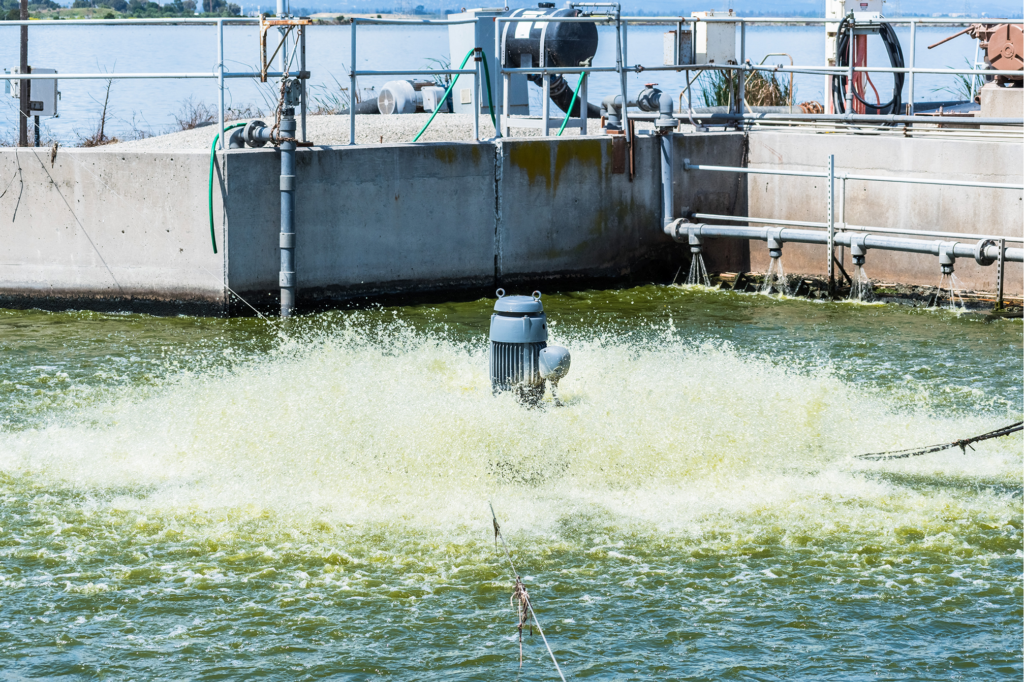
- Chemical resistance: Polypropylene resists sulfur compounds, chlorides, and many organic acids that can cause pitting or mild corrosion in lower grades of stainless steel. This makes it well suited for raw crude oil, wastewater treatment, and certain chemical processing streams.
- Specific gravity performance: Polypropylene has a low material density, which makes it effective in light liquids with specific gravities as low as 0.70 such as “light crude” blends that present buoyancy challenges for denser float materials.
- Cost efficiency: In compatible applications, polypropylene float switches can offer unit cost savings of up to 71% compared to equivalent stainless steel versions, a meaningful advantage in large-scale deployments.
- Temperature range: Polypropylene is typically rated for operating temperatures between -40°F and +180°F (-40°C to +82°C). It is not suitable for steam service or elevated-temperature process lines.
How to Choose the Right Float Material: Key Selection Criteria
Before specifying a float material, systematically evaluate the following hydraulic and environmental variables:
- Specific gravity of the liquid: The float must be less dense than the liquid to maintain buoyancy. Water has a specific gravity of 1.0; light crude is approximately 0.74. Confirm your fluid’s specific gravity before selecting float density.
- Maximum system pressure: Check the crush pressure rating of the float against your system’s peak operating and surge pressures. A float that deforms under a pressure spike can jam the switch mechanism entirely.
- Wetted materials compatibility: The float is only one wetted component. Confirm that the stem, housing, O-rings, and any sealants are also chemically compatible with your media and cleaning chemicals. A stainless steel float paired with an incompatible elastomer seal negates the corrosion resistance.
- Temperature extremes: Account for both normal operating temperature and transient conditions such as steam cleaning or temperature spikes during startup.
- Custom requirements: Whitman Controls engineers custom-specification switches for unusual applications, non-standard float geometries, exotic alloys, or unusual media combinations with lead times as short as two weeks.
About Whitman Controls and Industrial Control Solutions
Whitman Controls, part of Industrial Control Solutions, has been manufacturing precision vacuum, temperature, pressure, and liquid level switches and sensors for over 40 years. What began as a focused instrumentation manufacturer has grown into a trusted name across some of the most demanding industries in the world – aerospace, defense, semiconductor, medical and industrial automation.
As a Service-Disabled Veteran-Owned Small Business, Industrial Control Solutions was built on the same principles that define military service: tireless dedication, rigorous quality standards, and an unwavering commitment to the mission. That foundation isn’t marketing language, it shapes how we engineer every product, handle every order, and support every client relationship.
We don’t offer off-the-shelf compromises. Every sensor solution we build is configurable to your exact application, accounting for media environment, pressure range, temperature exposure, mounting constraints, and dozens of other specifications. If a standard product doesn’t meet your requirements, we build one that does and we back it with full documentation and traceability at every step.
Every product ships with full traceability documentation under our ISO 9001:2015 certification, giving customers confidence that internal processes, materials, and finished products have all met the highest standards of quality and regulatory compliance.
At Industrial Control Solutions, our most loyal clients have been with us for the entirety of our 40+ years in business. That kind of partnership isn’t accidental. It is the direct result of a commitment to delivering exactly what we promise; high-quality products, built to specification, backed by people who stand behind their work.
Our product portfolio spans four specialized USA-manufactured lines:
Whitman Controls – Vacuum, pressure, temperature, and liquid level switches engineered for precision and durability in extreme environments
Load Controls – Pump load controls, compact power sensors, fast-response load controllers, current sensors, and VFD-compatible solutions
Thomas Products – Flow switches, level switches, pump controls, multi-level switches, and visual indicators
Duro-sense – High-quality platinum and noble thermocouples, RTDs, and ISO 17025 calibrated wire
Frequently Asked Questions
1. What is the difference between Buna-N and EPDM for float switches, which handles oil better?
Buna-N is the correct choice for petroleum-based fluids. Its nitrile composition resists oils, fuels, and hydraulic fluids without swelling or degrading. EPDM is engineered for water-based and steam environments, it swells rapidly when exposed to petroleum products and should never be used in oil or fuel applications.
2. Can a stainless steel float switch be used in drinking water or potable water applications?
Yes. 316L stainless steel is inert, does not leach into the water supply, and resists the chlorine and disinfectants used in water treatment. It routinely meets NSF/ANSI 61 requirements for potable water contact. When specifying for drinking water, ensure all wetted components in the switch assembly, not just the float, meet the same standard.
3. Why does specific gravity matter when selecting a float material?
If the float is denser than the liquid it sits in, it will sink and the switch won’t function. For light liquids like crude oil (specific gravity ~0.74), you need a float with a sufficiently low effective density to stay buoyant. This is why polypropylene is often the better fit for low specific gravity fluids compared to heavier float materials.
4. Is polypropylene suitable for saltwater or marine environments?
Yes, for submerged applications. Polypropylene resists salt, brine, and chloride-rich media without corroding. The caveat is UV exposure, prolonged sunlight degrades standard polypropylene. For topside or outdoor marine installations, specify UV-stabilized grades or use stainless steel for exposed components.
5. What does “crush pressure” mean and why does it matter?
Float switches are hollow to stay buoyant but that hollow structure can collapse under high external pressure. Crush pressure is the maximum pressure the float can handle before deforming, which would lock it in place and cause a false reading or complete switch failure. Always select a float whose crush pressure rating exceeds your system’s peak operating pressure, including any surge conditions.